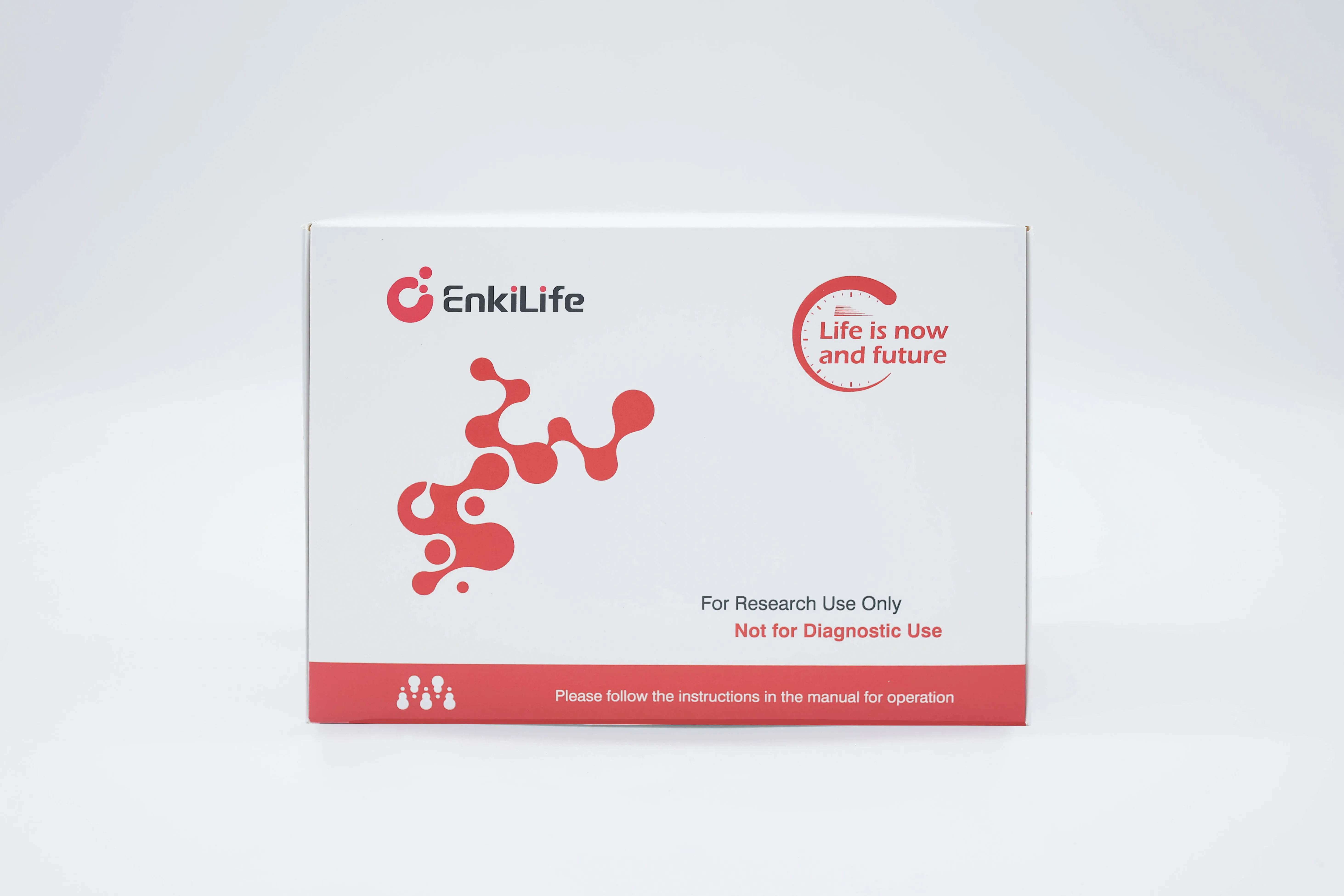


Product Introduction
During apoptosis, certain DNA endonucleases are activated to cleave genomic DNA between nucleosomes, generating 180 bp-200 bp fragments. These fragmented DNA strands expose numerous mucous 3'-OH termini. Under the catalytic action of deoxyribonucleotide terminal transferase (TdT), these fragments bind to biotin-dUTP, then combine with streptavidin-HRP-labeled horseradish peroxidase (HRP). The HRP-catalyzed DAB coloration ultimately reveals apoptotic cells through optical microscopy. This method is termed Terminal-deoxynucleotidyl Transferase-mediated dUTP nick end labeling (TUNEL) for direct detection of apoptotic cells.
This kit demonstrates broad applicability, enabling analysis of apoptosis in both frozen/wax sections and cultured adherent or suspension cells. It selectively detects apoptotic cells rather than necrotic cells or those with DNA strand breaks caused by radiation or drug treatment.
Basic Information
Product name | Biotin TUNEL Apoptosis Kit |
Sizes | 20 T/50 T |
Storage | -20℃, keep away from light |
Shipping | Shipped with ice pack |
Validity | 12 months |
Product Components
components | 20 T | 50 T |
A. Biotin TUNEL Reaction Buffer | 1 mL | 2 × 1.25 mL |
B. TdT Enzyme | 40 μL | 100 μL |
C. Streptavidin-HRP | 20 μL | 50 μL |
D. Streptavidin-HRPdiluent | 1 mL | 2 × 1.25 mL |
E. DAB concentrate(20×) | 50 μL | 125 μL |
F. DAB diluent | 1 mL | 2 × 1.25 mL |
G.Color enhancer(10×) | 100 μL | 250 μL |
H. Proteinase K(2 mg/mL) | 40 μL | 100 μL |
I. DNase I(2 U/μL) | 5 μL | 13 μL |
J. 10× DNase I Buffer | 100 μL | 260 μL |
Note:
(1)Components A, C, E, and F must be stored in a dark place.
(2)Components B, C, H, and I require ice-cold handling.
(3)Component F should avoid repeated freezing-thaw cycles and is recommended for separate storage.
(4)Before use, centrifuge the product briefly until it settles at the bottom of the tube before proceeding with subsequent experiments.
Notes
1.Before use, centrifuge the product to the tube bottom immediately before proceeding with subsequent experiments.
2. Sodium azide inhibits HRP activity; therefore, do not use reagents containing sodium azide in experiments.
3. For your safety and health, wear lab coats and disposable gloves during operation.
4. This product is for scientific research purposes only and must not be used for clinical diagnosis or treatment.
This product is for research use only!