
FAQs for ELISA Coating
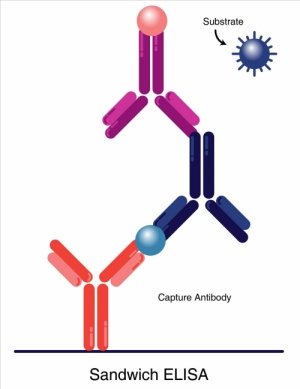
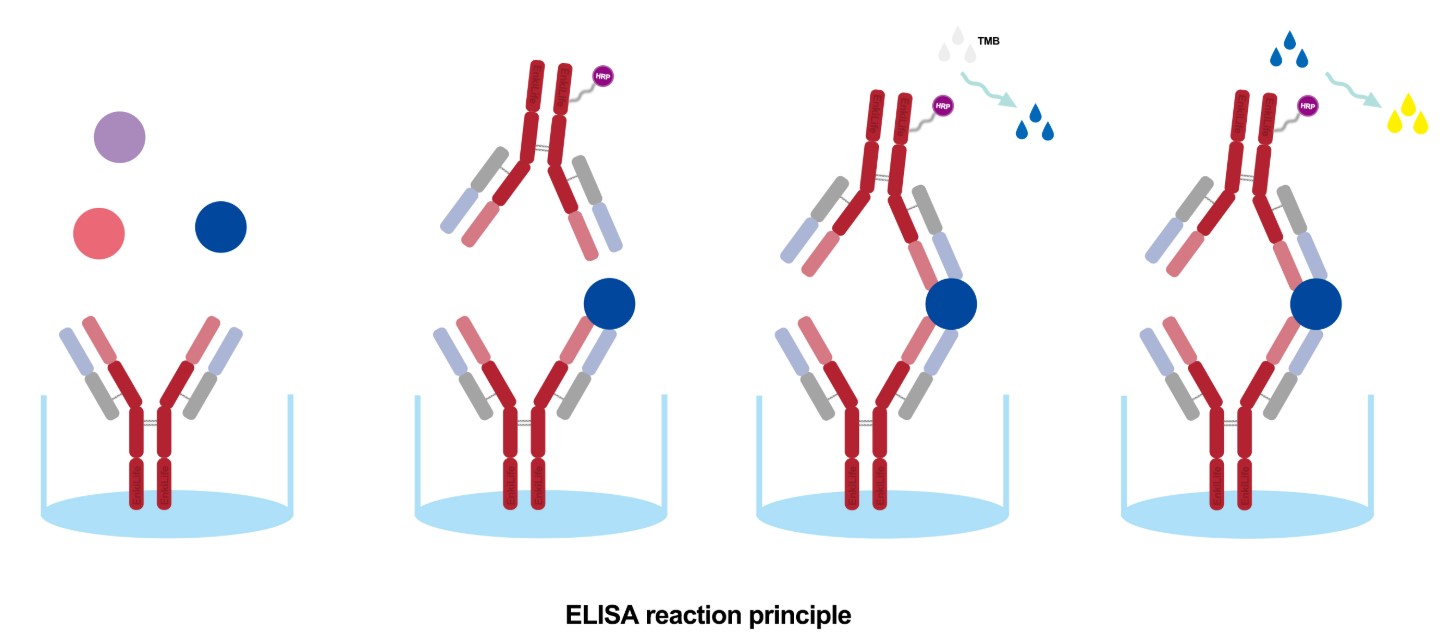
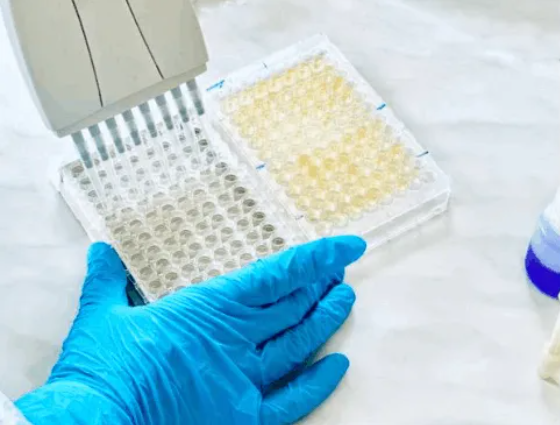
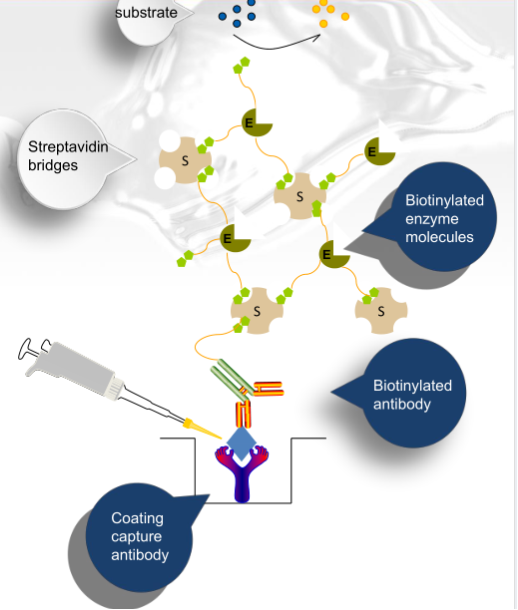
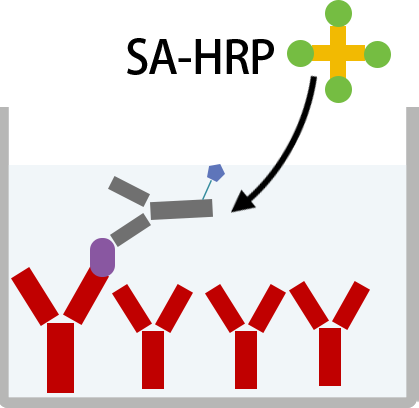
Coating is the fundamental core step of ELISA experiments. Essentially, it immobilizes specific antibodies or antigens onto the surface of a solid‑phase carrier to build an exclusive antigen‑antibody reaction platform. The quality of coating directly determines the sensitivity, specificity and reproducibility of the whole assay. Many abnormal ELISA results originate from improper coating operations. This FAQ document sorts out principles of coating, key influencing factors, blocking procedures, and the differences between in‑house coated plates and commercial pre‑coated kits, to help researchers troubleshoot common coating‑related experimental problems.